the strategic advantage of refurbishing old equipment: a sustainable approach to industrial success in saudi arabia
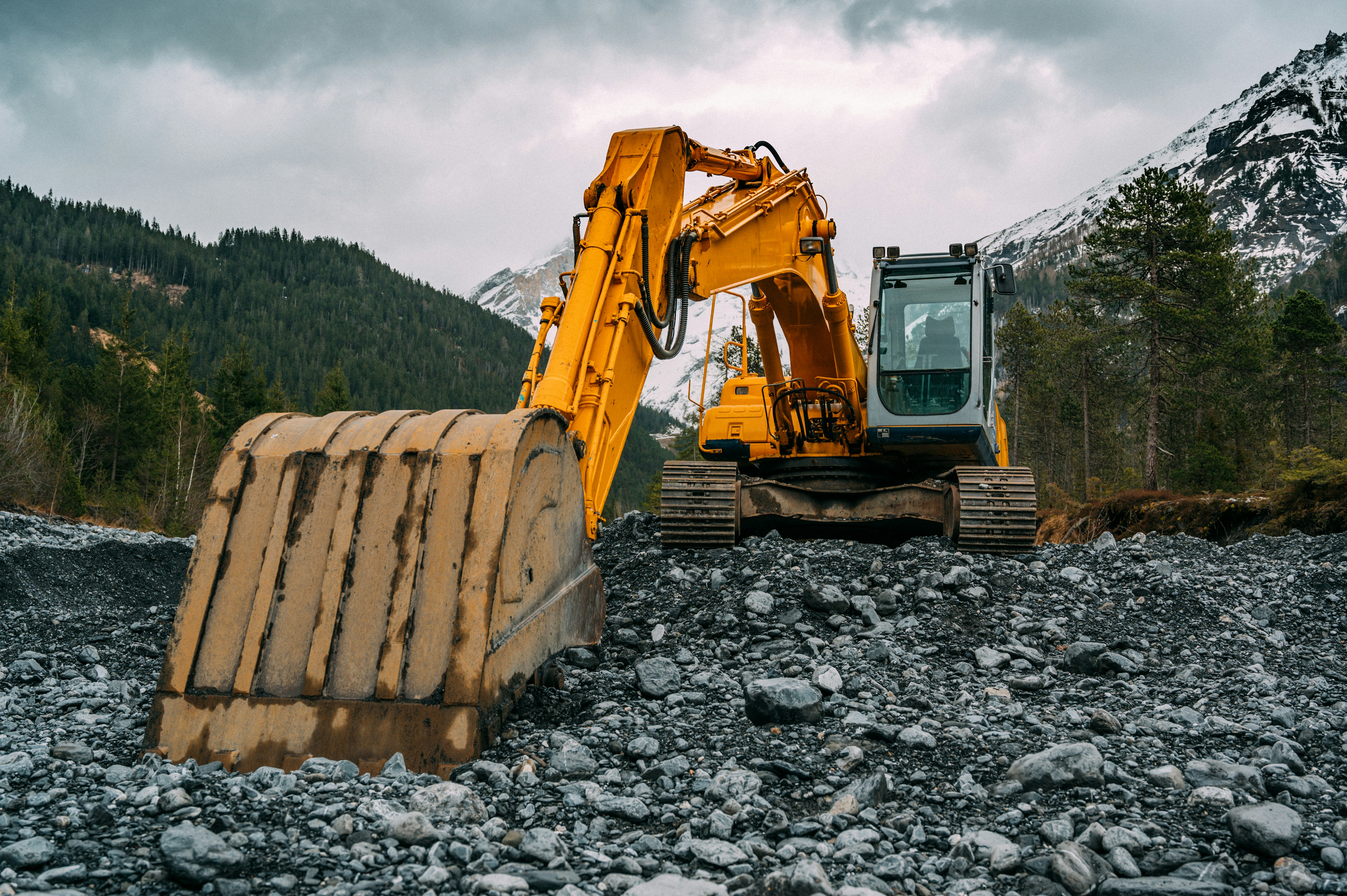
The Durability of Legacy Equipment
Old equipment, especially those built with the robust engineering of past
decades, often boasts a level of durability that modern counterparts struggle to
match. This inherent robustness, a hallmark of machinery like diesel forklifts,
propane forklifts, and industrial generators, makes such equipment prime
candidates for refurbishment. The choice to repair and maintain these
workhorses rather than discard them can be a testament to their lasting value
and reliability.
Cost Efficiency: A Key Consideration
For decision-makers in Saudi Arabia's industrial sectors, the economic argument
for choosing to repair and refurbish equipment over purchasing new is
compelling. The cost of acquiring new machinery can be prohibitively high, not
only in terms of the initial investment but also considering the depreciation and
the longer timeline to achieve a return on investment (ROI). In contrast,
refurbishing equipment can significantly extend its operational life at a fraction of
the cost, ensuring that businesses can allocate their financial resources more
effectively elsewhere.
Expert Repair and Maintenance: The Cornerstone of Refurbishment
Entrusting your old, discarded equipment to expert repair and maintenance
workshops is crucial in unlocking the potential of refurbished machinery.
Specialists in diesel, propane forklifts, and generator maintenance bring not only
their technical expertise but also an understanding of the unique operational
challenges presented by the Saudi environment. From addressing wear and tear
to updating components with modern equivalents, expert technicians ensure that
refurbished equipment meets current operational demands while retaining the
durability and reliability that legacy machinery is known for.
Sustainability and Environmental Responsibility
Beyond the economic benefits, the decision to refurbish and repair old equipment
aligns with broader environmental objectives. By extending the life of existing
machinery, businesses in Saudi Arabia can significantly reduce their
environmental footprint, minimizing waste and the demand for new raw materials.
In today's world, where sustainability has become a critical aspect of corporate
responsibility, this approach not only reflects a commitment to environmental
stewardship but also resonates with increasingly eco-conscious consumers and
stakeholders.
Meeting the Demands of Modern Operations
Some may question whether old equipment, even once refurbished, can meet
the demands of modern industrial operations. The answer lies in the expertise of
the refurbishment specialists, whose work ensures that these machines are not
only functionally reliable but also updated to comply with current efficiency and
safety standards. This modernization process, part of the refurbishment, means
that businesses do not have to compromise on performance when opting to
repair and maintain their existing machinery.
A Strategic Decision for Saudi Industries
For decision-makers in Saudi Arabia, the choice to refurbish old equipment is
more than just an operational or financial decision; it's a strategic move that
positions their businesses for sustainable growth. By leveraging the durability
and cost-effectiveness of repaired and maintained machinery, companies can
enjoy a competitive edge, ensuring operational resilience and flexibility.
The Role of Specialized Workshops and Companies
Finding the right partner for equipment refurbishment is key. Workshops and
companies specializing in the repair and maintenance of diesel and propane
forklifts, generators, and other industrial machinery are valuable allies in this
process. Their expertise not only ensures the quality of the refurbishment but
also provides businesses with peace of mind, knowing their equipment is in
capable hands.
Conclusion
Refurbishing and repairing old equipment represents a smart choice for Saudi
Arabia's industrial decision-makers. This approach, highlighting the benefits of
durability, cost efficiency, and sustainability, underscores the value of legacy
machinery in contemporary operations. As businesses look to navigate the
complexities of modern industry, the strategic refurbishment of equipment offers
a path to achieving operational excellence without the hefty price tag of new
machinery. In embracing this practice, Saudi industries not only optimize their
operations but also contribute to a more sustainable and economically efficient
future.